

We're No Longer Decorating Walls. We're Designing Them.

By Abigail Fleming, Ben the Hoose Interiors
Walk into a beautifully designed room and most people notice the sofa, the artwork or the lighting. Yet the element influencing how the room feels most is often overlooked entirely. The walls.

Covering more surface area than any other feature, they quietly shape the atmosphere of a space. For decades, we've treated them as blank canvases to paint. Today, they're becoming something altogether more powerful—textured, sculptural, tactile surfaces that influence not only how a room looks, but how it sounds, how it reflects light and even how it makes us feel.
As an interior designer, I believe we're witnessing one of the biggest shifts in residential interiors for decades. We're moving away from simply decorating walls and towards designing them. They are no longer the backdrop to the furniture; they are becoming an integral part of the architecture itself.
This change isn't about following trends. It's about recognising that the spaces we inhabit have a profound effect on our wellbeing. Every surface contributes to the emotional experience of a room, and none more so than the walls that surround us.
We Don't Need More Pattern. We Need More Feeling.
For years, feature walls were all about making a statement. A bold wallpaper. A dramatic paint colour. Something designed to catch the eye.
Today, I think homeowners are craving something altogether different.
Rather than demanding attention, the most beautiful interiors invite you to slow down. They have depth instead of decoration. Texture instead of clutter. They feel calm, layered and timeless.
Decorative plaster finishes are a perfect example of this evolution.
Limewash, clay plaster, Venetian plaster and micro-cement don't rely on pattern or print. Instead, they create movement. As natural light travels across the surface throughout the day, the walls appear almost alive, constantly changing in subtle and beautiful ways.
The result is difficult to describe until you experience it. A room simply feels softer, quieter and more connected to nature.
I believe that's where great design is heading.

The Future of Luxury Is Tactile
We've spent years designing homes that look beautiful in photographs.
Now we're beginning to design homes that feel beautiful to live in.
Natural materials such as woven grass cloth, cork, timber veneers, reclaimed wood, stone veneers and even woven rattan introduce something paint never can: touch.
These finishes ask you to experience a room differently. They soften light, add warmth and celebrate the imperfections that make natural materials so appealing.
In an increasingly digital world, our homes are becoming places where we reconnect with authentic materials.
Luxury is no longer about polished perfection.
It's about authenticity.
A Beautiful Room Should Sound Beautiful Too
One of the most overlooked elements of interior design isn't visual at all.
It's acoustics.
We've all walked into stunning open-plan spaces that somehow feel uncomfortable. Conversations echo. Television sounds harsh. The room feels busy, even when it's empty.
Good design should engage all of our senses, not just our eyes.
This is why acoustic wall systems are becoming one of the most exciting developments in residential interiors. Fluted timber acoustic slats and beautifully crafted felt wall panels absorb unwanted sound while introducing warmth, rhythm and texture.
When a room sounds softer, it often feels calmer.
And calm is perhaps the greatest luxury any home can offer.
Walls Are Becoming Works of Art
I've noticed fewer clients asking for feature walls. Instead, they're asking for experiences.
Oversized landscape murals, hand-painted finishes and abstract wallcoverings are transforming walls into immersive pieces of art rather than decorative backgrounds.
Unlike repetitive wallpaper patterns, murals tell a story.
A misty woodland can make a bedroom feel restorative.
An oversized botanical scene can blur the line between indoors and outdoors.
An abstract mural can introduce movement without visual noise.
These aren't simply decorative choices. They're emotional ones.

Comfort Doesn't Stop at Furniture
When we think about comfort, we immediately think of sofas, cushions and upholstery.

But why should softness stop there?
Upholstered walls are increasingly finding their way into luxury homes, particularly bedrooms, where they create an immediate sense of warmth and sanctuary.
Beyond their elegant appearance, they improve acoustics and soften the entire atmosphere of a room.
It's another example of how walls are beginning to work harder than ever before.
They're no longer passive surfaces.
They're active contributors to how we experience our homes.
Architecture Is Returning to Our Walls
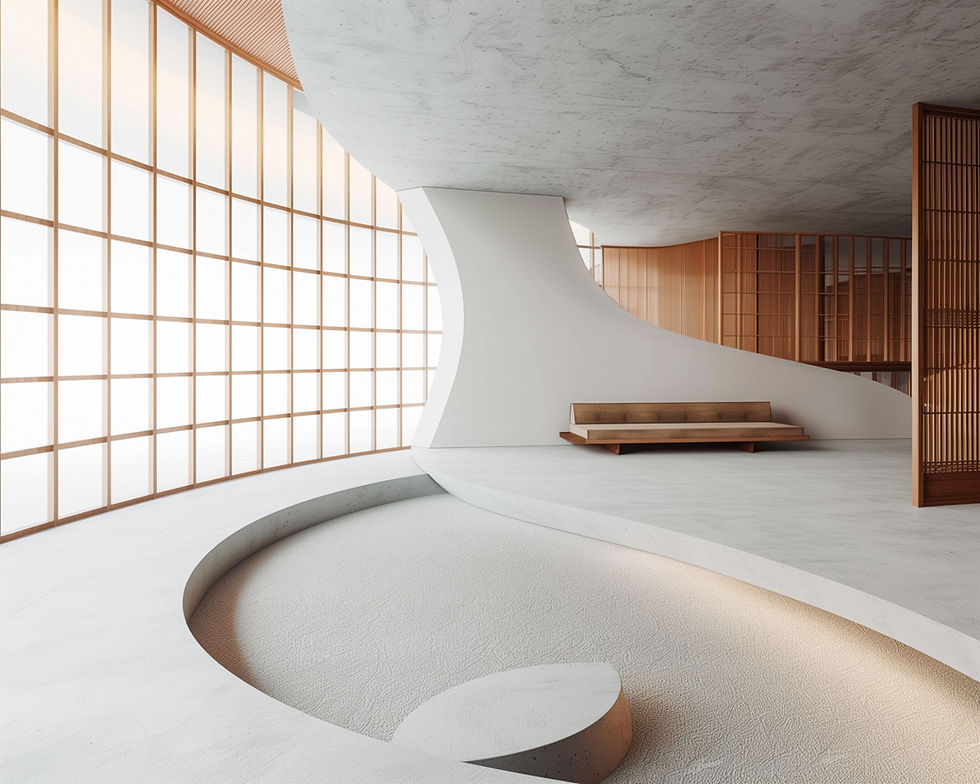
Perhaps the biggest change of all is that walls are becoming architectural features.
Ribbed and fluted finishes, whether created in timber, plaster, MDF, cork or porcelain, introduce rhythm and shadow in a way that flat walls simply cannot.
As daylight moves through the home, these surfaces create constantly changing patterns of light and shade.
The walls themselves become sculptural. They're no longer something we decorate. They're something we design.
Light Is Becoming Part of the Wall
Lighting is no longer confined to the ceiling.
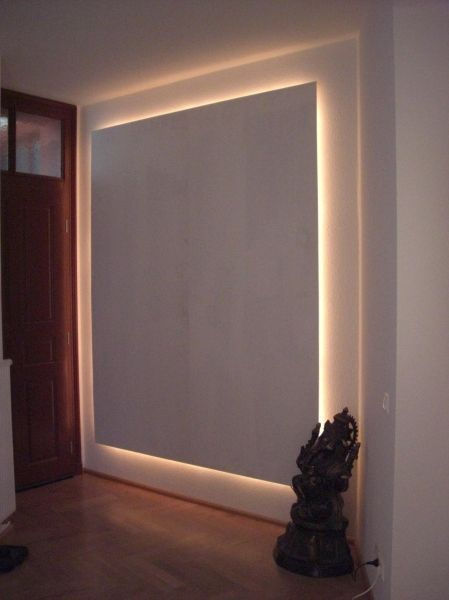
Some of the most exciting interiors now integrate light directly into the architecture through concealed LED channels, shadow gaps, illuminated shelving, backlit stone and carefully detailed wall panelling.
The effect isn't dramatic for the sake of it.
It's atmospheric.
When light gently washes across textured plaster or timber, the room feels layered, intimate and calm. The walls almost disappear during the day and come alive in the evening, creating a completely different emotional experience.
It's this relationship between material and light that I believe will define the next generation of interior design.
Designing Emotion, Not Decoration
The walls in our homes occupy the largest canvas we have, yet for decades we've treated them as little more than painted backgrounds.
I think that's changing.
As homeowners become more conscious of wellbeing, craftsmanship and longevity, we're beginning to ask different questions. Not "What colour should this wall be?" but "How should this room make me feel?"
That single shift changes everything.
Because once we begin designing for emotion rather than decoration, every decision becomes more meaningful.
The wall isn't simply a place for paint.
It becomes a source of warmth. A tool for creating calm. A way of improving acoustics. A sculptural feature. A work of art. A reflection of nature. And perhaps that's the most exciting design trend of all.
We're no longer decorating walls. We're designing them.
Ben the Hoose Interiros help our clients create a home that truely reflects there personality. Homes are for living in. Let's make them as unique as you.

Comments